|
|
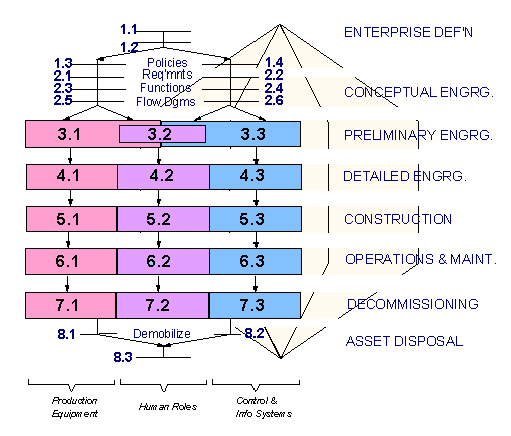
At the end of each phase, a well defined set of "deliverables" should be produced. These typically include drawings, calculations, computer models, cost estimates, economic analyses, etc. Since the development of the next phase is based on these deliverables, approval to proceed to the next project phase should be contingent upon acceptance and approval of ALL deliverables from the previous phase. Failure to do so virtually guarantees recycle and lost time and cost in the subsequent phase. Similarly, subsequent changes to even small details in these "previous phase" deliverables will have a domino effect on current phase deliverables. As the project proceeds, it becomes more and more difficult to "improve" the design, since the cost and delay caused by changes becomes progressively greater. As the PERA model indicates there are also interfaces within the phase. At the highest level, these are between the three main enterprise components ( Production Facilities, People, and Control and Information Systems). However, each of these is typically further sub-divided on large projects. The number of sub-divisions increase as the project progresses (and staffing increases). This is necessary to bring additional resources and skills to bear, however each additional interface presents communication barriers which are perhaps the most difficult aspect of large project execution. Most experienced project managers have an intuitive appreciation of the nature of this problem, however a better understanding of the reasons behind it can help minimize its effects. These are explained in a tutorial which is based on the principles explained in Dr Tsu's book. |